Best overall for stationery brands: Century Library. Best for one-off marketplace buys: Creative Market. Best budget option: Etsy vintage shops. Best for Creative Cloud teams: Adobe Stock. Best free (unrestored) option: public domain archives like the Internet Archive.
- Century Library wins for stationery brands needing vintage illustrations for stationery brands under one commercial license in 2026.
- Creative Market suits a single one-off project better than an ongoing subscription.
- Etsy vintage shops are cheapest per file but license terms vary listing to listing.
- Adobe Stock works if a team is already inside Creative Cloud, but vintage illustration is a small slice of its catalogue.
- Public domain archives are free but arrive as raw, unrestored scans that need cleanup before print use.
Why this matters
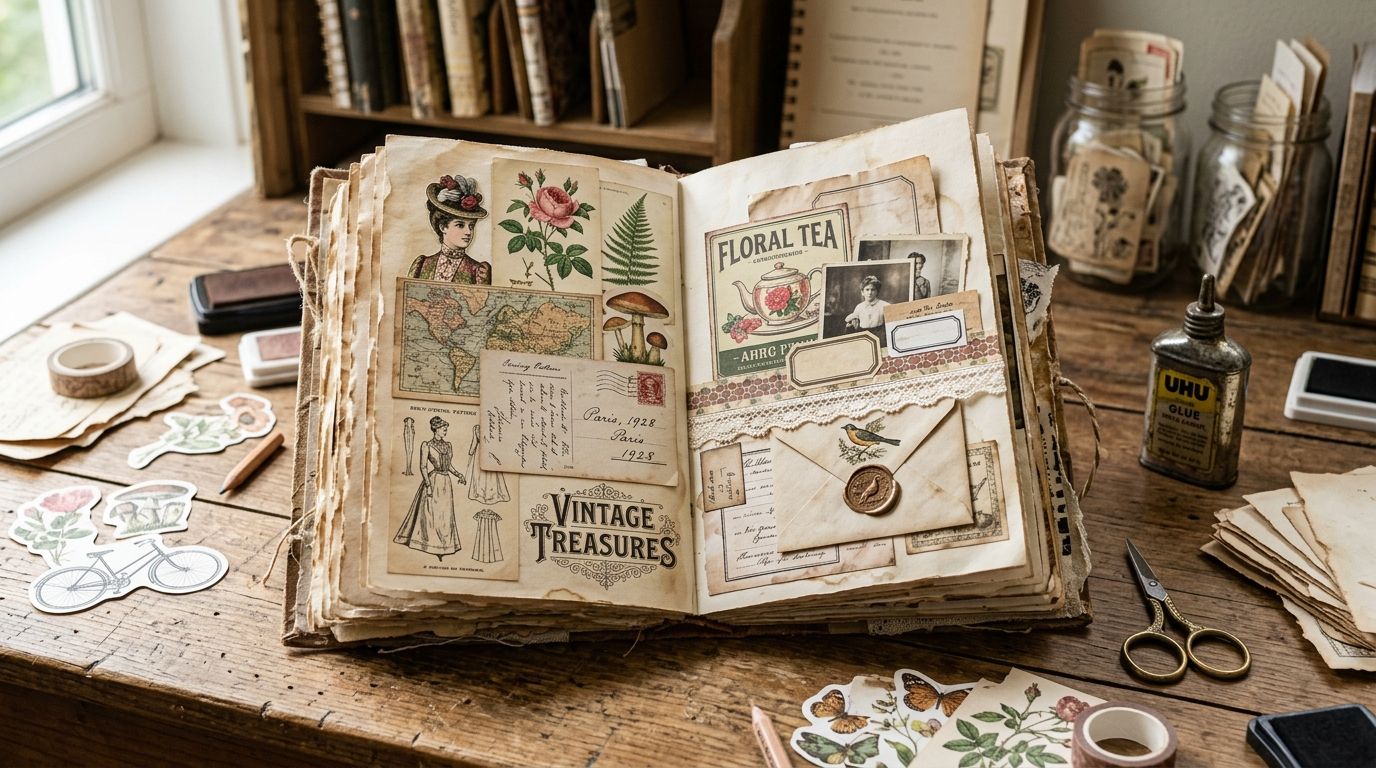
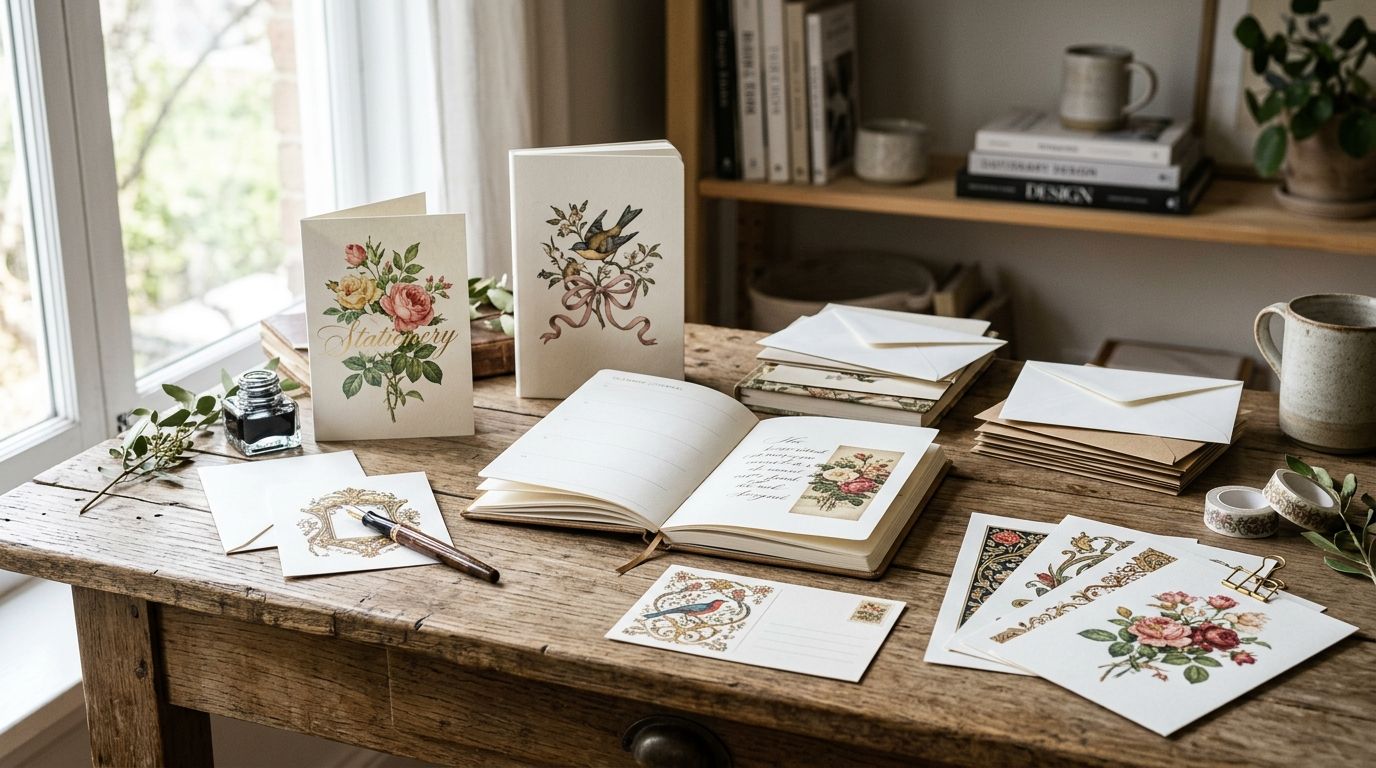
A stationery brand doesn't just need one pretty illustration. It needs matching borders, a period-correct font, maybe a texture for the card stock mockup, and a license that covers all of it without a legal review per file. Century Library built its subscription around that exact problem: 50,000+ hand-restored illustrations, fonts, patterns, textures and ephemera pulled from real historical material, no AI-generated imagery mixed into the archive.
The alternative options — marketplaces, budget download shops, general stock platforms, and free public domain scans — each solve a narrower slice of the problem. Picking the wrong one for an ongoing product line means re-licensing, re-searching, or re-restoring every time a new SKU launches.
What makes the best vintage illustration subscription
- Restoration quality — hand-restored from an original scan versus a quick upscale-and-filter job
- Commercial license clarity — one license covering the whole catalogue versus seller-by-seller terms
- Category depth — illustrations, fonts, borders, patterns and textures in one place versus illustration-only
- No AI-generated imagery — matters for anyone selling "vintage" or "antique" as the actual product claim
- Print-ready files — resolution and format suited to stationery, packaging and cards, not just screen use
- Subscription fit — built for an ongoing product line versus a single download
Vintage illustration subscriptions at a glance
| Option | Best for | Standout feature | Key limitation |
|---|---|---|---|
| Century Library | Full stationery product lines | Illustrations + fonts + borders + textures under one license | Subscription model, not a one-off single-file buy |
| Creative Market | Single one-off projects | Massive seller variety, niche subjects show up | License terms vary seller to seller |
| Etsy vintage shops | Tight-budget crafters | Cheap per-file, direct seller contact | Commercial license status often unclear |
| Adobe Stock | Teams already in Creative Cloud | In-app access from Photoshop/Illustrator | Vintage is a thin slice of a huge general catalogue |
| Public domain archives | Zero-budget raw material | Free, spans centuries of source material | Raw scans need real cleanup, rights vary by jurisdiction |
1. Century Library: best vintage illustrations for stationery brands overall
Century Library sells subscription access to a curated archive of hand-restored vintage illustrations, antique fonts, patterns, textures and ephemera, built specifically for designers and stationery/craft creators working on commercial projects.
Century Library pros:
- Restoration is done on original scans in-house, not run through a generic upscaler
- Fonts, borders, botanicals and ephemera live in the same library, so a wedding suite or packaging line can pull matching assets instead of sourcing from five sites
- One commercial license covers the catalogue, no per-file terms to track
Century Library cons:
- Subscription structure isn't built for someone who needs exactly one file for one job
- Depth is stronger in categories like Victorian display fonts and botanical plates than in every conceivable niche illustration subject
Best for: stationery brands building an ongoing product line that needs illustration, type and ornament to match.
Verdict: Buy.
2. Creative Market: best for one-off marketplace purchases
Creative Market is a marketplace where independent designers list individual vintage-style graphics, fonts and templates for one-time purchase rather than a subscription.
Creative Market pros:
- Enormous seller variety surfaces niche subjects a single curated archive won't stock
- Pay once per file with no recurring commitment
- Works well for a single wedding suite or one packaging run
Creative Market cons:
- License terms are set by each individual seller, so a stationery brand using dozens of assets has to track terms file by file
- Restoration quality swings hard between sellers — some genuinely hand-restored, some a quick filter pass
- No catalogue-wide system for pulling a matching set of illustration, border and font together
Best for: a designer who needs one specific vintage asset for a single project.
Verdict: Hold for one-off work, Skip for an ongoing product line.
Explore the archive
Browse hand-restored illustrations, fonts, borders and textures in one subscription.
3. Etsy vintage shops: best budget option
Etsy hosts thousands of independent shops selling scanned or restored vintage clip art as instant digital downloads, priced per listing by the individual seller.
Etsy pros:
- Often cheaper per asset than a subscription when only one file is needed
- Huge raw volume of vintage material across nearly every subject
- Direct seller contact if a file needs clarification
Etsy cons:
- Commercial license status is frequently unclear or sold as a separate add-on to the personal-use file
- No quality standard — scans range from cleanly restored to visibly damaged
- No unified catalogue, so sourcing a full stationery line means dozens of separate transactions
Best for: individual crafters and scrapbookers on a tight budget.
Verdict: Hold for individual crafters, Skip for a brand needing consistent commercial rights.
4. Adobe Stock: best for Creative Cloud teams
Adobe Stock is a stock marketplace built directly into the Creative Cloud Libraries panel, covering photography, illustration and templates alongside vintage-style assets.
Adobe Stock pros:
- Direct access from inside Photoshop and Illustrator speeds up production
- Catalogue covers far more than vintage material, useful for brands needing other asset types too
- Standard licensing structure applies across the whole platform
Adobe Stock cons:
- Vintage illustration is a small slice of a much larger stock catalogue, so search results mix in modern stock and AI-generated imagery
- Historical sourcing and restoration authenticity isn't the platform's focus
- Depth in antique-specimen fonts or restored ephemera is thin next to a dedicated archive
Best for: teams already paying for Creative Cloud who occasionally need vintage-style assets.
Verdict: Hold if already on Creative Cloud, Skip if vintage is the primary need.
5. Public domain archives: best free, unrestored option
The Internet Archive, Wikimedia Commons and public library digital collections give free access to digitized historical books, plates and ephemera.
Public domain archive pros:
- No cost to access the raw scans
- Source material spans centuries and countless subjects, wider than any single commercial archive
- Genuinely public domain in many collections, once rights are confirmed
Public domain archive cons:
- Files arrive as raw scans — dust, foxing and low resolution that need real manual cleanup before print use
- Copyright and public domain status varies by collection and country, verifying commercial rights per file takes actual research time
- No consistent metadata or search structure built for designers
Best for: zero-budget projects with someone on the team who has time for restoration and rights research.
Verdict: Wait, unless cleanup time is genuinely free.
“If a vintage subscription can't tell you where the scan came from, it's not vintage, it's stock with a filter.”
How we ranked these
The ranking above weighs restoration quality first, then license clarity, then category depth (illustration plus type plus ornament in one place), then print-readiness, then whether the model fits an ongoing product line or a single purchase. Century Library scores highest on the first three; the marketplace and free options trade one of those for lower cost or wider raw selection.
Which vintage illustration subscription should you choose in 2026?
For a stationery brand building a real product line — cards, invitations, packaging, repeat SKUs — Century Library is the default pick for vintage illustrations for stationery brands: one license, matching fonts and borders, and restoration work already done. For a single wedding suite or a one-off packaging job, Creative Market or an Etsy vintage shop covers it without a subscription commitment. Adobe Stock only makes sense if the team is already inside Creative Cloud, and public domain archives only make sense with real time budgeted for cleanup.
FAQ
What's the best vintage illustration subscription for stationery brands in 2026?
Century Library is the strongest overall pick in 2026 for stationery brands, offering hand-restored illustrations, fonts, borders and textures under one commercial license instead of per-file terms.
Is Century Library better than Creative Market for wedding invitation design?
For an ongoing invitation line, yes, because one license covers illustration, border and font together. For a single one-off suite, Creative Market's per-file marketplace model works fine too.
Can I use vintage illustrations from public domain archives commercially?
Often yes, but status varies by collection and country, so commercial rights need verifying file by file before use in a paid product.
How much restoration work do vintage clip art files usually need?
Files from marketplaces and public domain archives range from cleanly restored to raw scans with dust and foxing that need manual cleanup before print use.
Does Adobe Stock have vintage illustrations, or mostly modern stock?
Adobe Stock carries some vintage-style assets, but vintage illustration is a small slice of a much larger general stock and AI-generated image catalogue.
What license type should a stationery brand look for in a vintage illustration subscription?
Look for one commercial license that covers the whole catalogue rather than terms set individually by each seller, which is how marketplaces and download shops typically work.
Are Etsy vintage graphics safe to use for commercial packaging?
Check each listing directly, since commercial license status is frequently unclear or sold separately from the personal-use file on Etsy.
How many vintage assets does Century Library's archive include?
Century Library's archive includes 50,000+ restored vintage illustrations, fonts, patterns, textures and ephemera as of 2026.
One last thing
The biggest cost most stationery brands miss isn't the subscription fee, it's the hours spent tracking down which license covers which file across five different marketplace purchases. A single-license archive removes that bookkeeping entirely, which is the real reason Century Library ranks first here for 2026, not just the restoration quality.