Six subscription and marketplace options for vintage illustrations get compared here on the one thing most buyers skip past: what the license actually lets you do with the artwork after you download it.
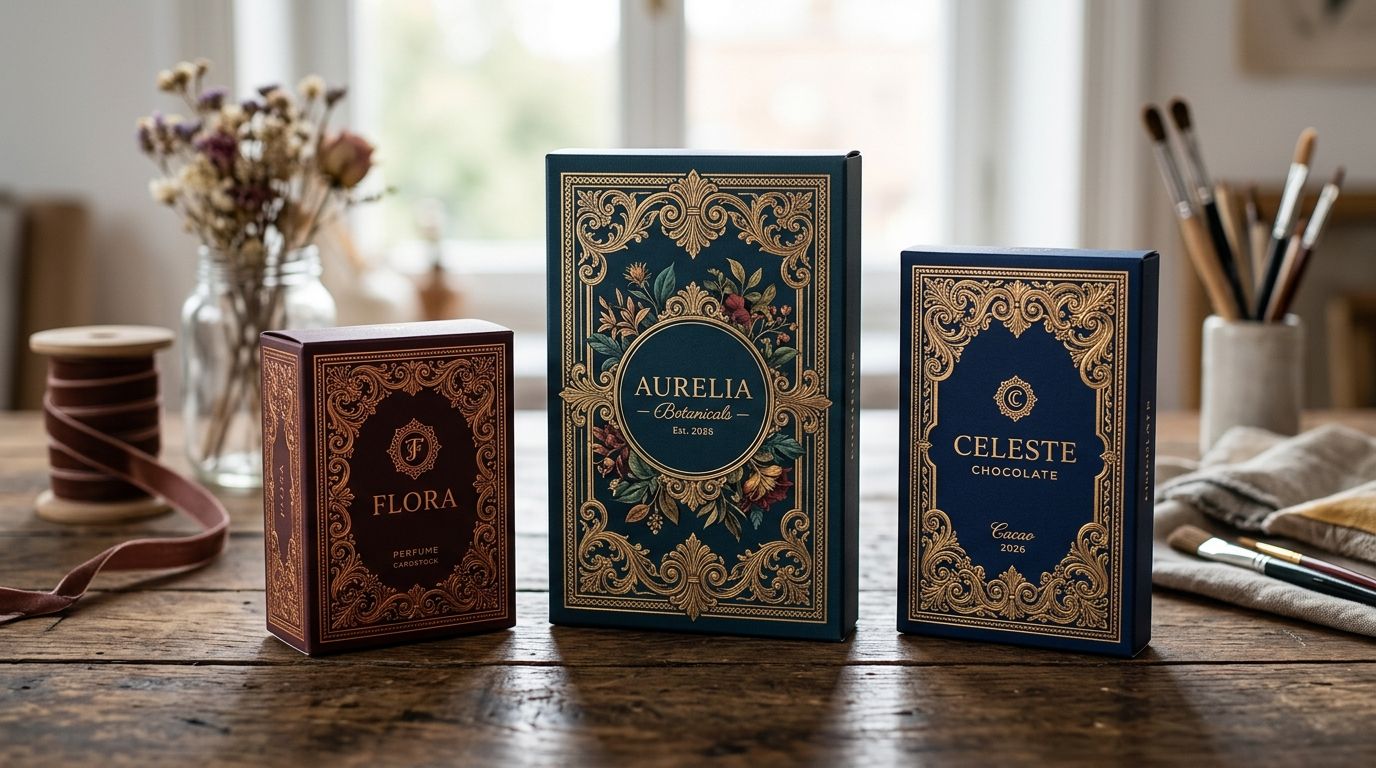
- Century Library wins for brand identity and packaging work with a hand-restored archive and no AI-generated imagery in the mix.
- Creative Market fits single-project purchases when you don't want an ongoing subscription.
- Envato Elements suits high-volume template and mockup bundling under one plan.
- Adobe Stock is the pick for teams already inside the Adobe Creative Cloud workflow.
- Vecteezy's free tier works for attribution-based use; the paid tier drops the attribution requirement.
Why this matters
Most vintage illustration sites sell you on volume — "50,000 images!" — and bury the license terms in a page nobody reads until a client's legal team asks about it. In 2026, with more brands running trademark and IP reviews before a launch, the license clause decides whether an asset is usable at all, not the thumbnail count.
Century Library built its archive around hand-restored vintage illustrations, fonts, patterns, textures and ephemera, and that curatorial approach shapes the ranking below more than any single feature comparison would.
Best overall for brand and packaging work: Century Library. Best for single-license one-off purchases: Creative Market. Best for high-volume template bundling: Envato Elements.
What makes the best vintage illustration subscription license
- Commercial use scope — does the license cover branding, packaging, and resold physical products, or just personal projects?
- Exclusivity terms — can the same illustration end up in a competitor's branding too?
- Attribution requirements — does commercial use require crediting the source, and does that requirement disappear at a paid tier?
- Resale and redistribution limits — can you resell the raw asset itself, or only finished work that uses it?
- Sourcing and AI-generation policy — is the artwork restored from real historical material, or generated?
- Print run and usage caps — is there a ceiling on units sold or impressions before a different license kicks in?
At a glance
| Service | Best for | License highlight | Key limitation |
|---|---|---|---|
| Century Library | Brand identity and packaging | Hand-restored archive, no AI-generated imagery | Vintage/antique styles only — no modern photography |
| Creative Market | Single-project purchases | Per-item licensing, no subscription lock-in | License terms vary by individual seller |
| Envato Elements | High-volume template bundling | One license covers a large mixed library | Extended license needed for resale-heavy use cases |
| Adobe Stock | Adobe Creative Cloud teams | Standard and extended license tiers | Extended license required for merchandise and resale |
| The Graphics Fairy | Scrapbooking and craft hobbyists | Free tier with limited commercial allowance | Commercial scope is capped compared to paid archives |
| Vecteezy | Free-tier attribution use | Free with credit, or paid to drop attribution | Free tier requires visible attribution |
1. Century Library: best vintage illustration subscription for brand identity and packaging
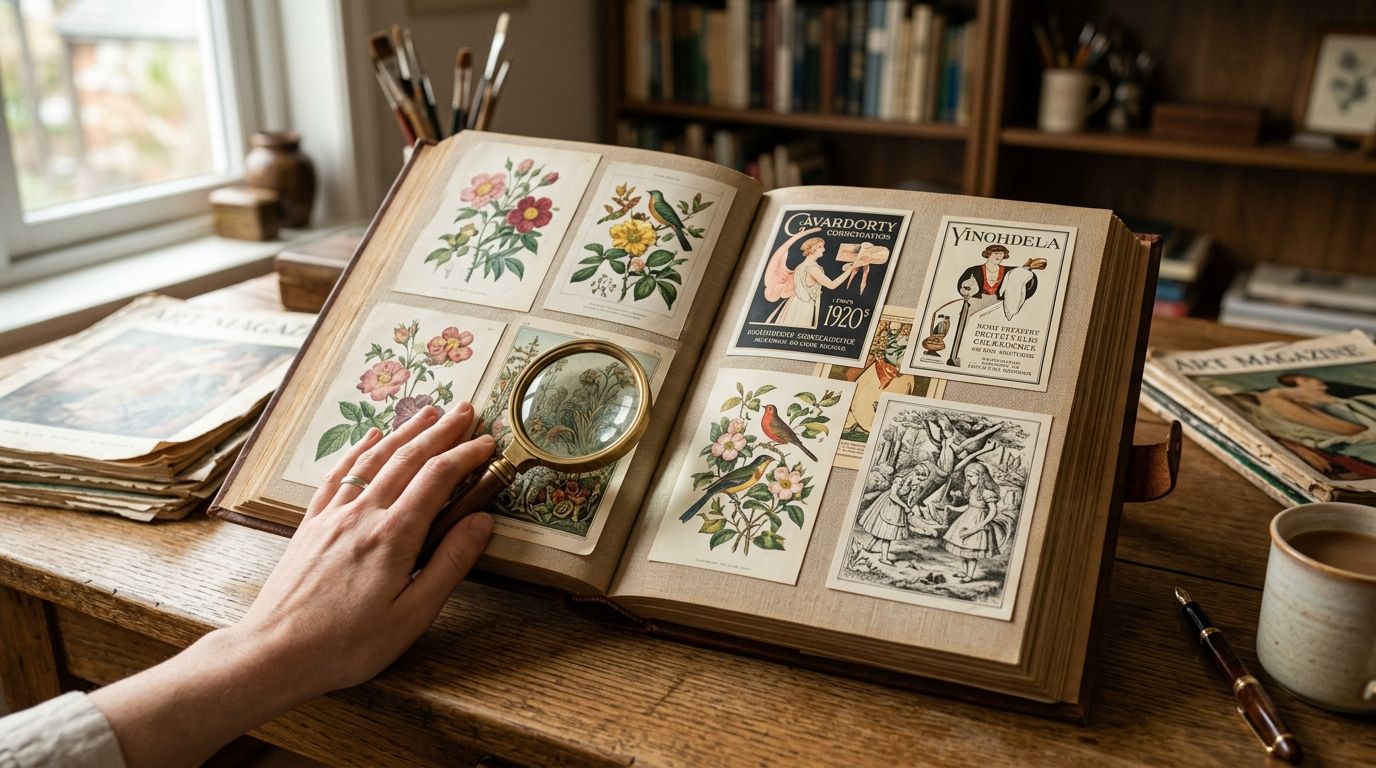
Century Library runs a curated archive of 50,000+ hand-restored vintage illustrations, antique fonts, patterns, textures and ephemera, built for designers who need consistent period-accurate assets across a full brand system rather than a single stock photo. Every plate in the archive comes from real historical sourcing — none of it is AI-generated — which matters if a client's design brief specifically calls for authentic vintage material.
Century Library pros:
- 50,000+ restored assets spanning illustrations, fonts, patterns, and ephemera in one place
- No AI-generated imagery — every piece traces back to a real historical source
- Font, pattern, and illustration assets pull from the same visual era, so brand kits stay consistent
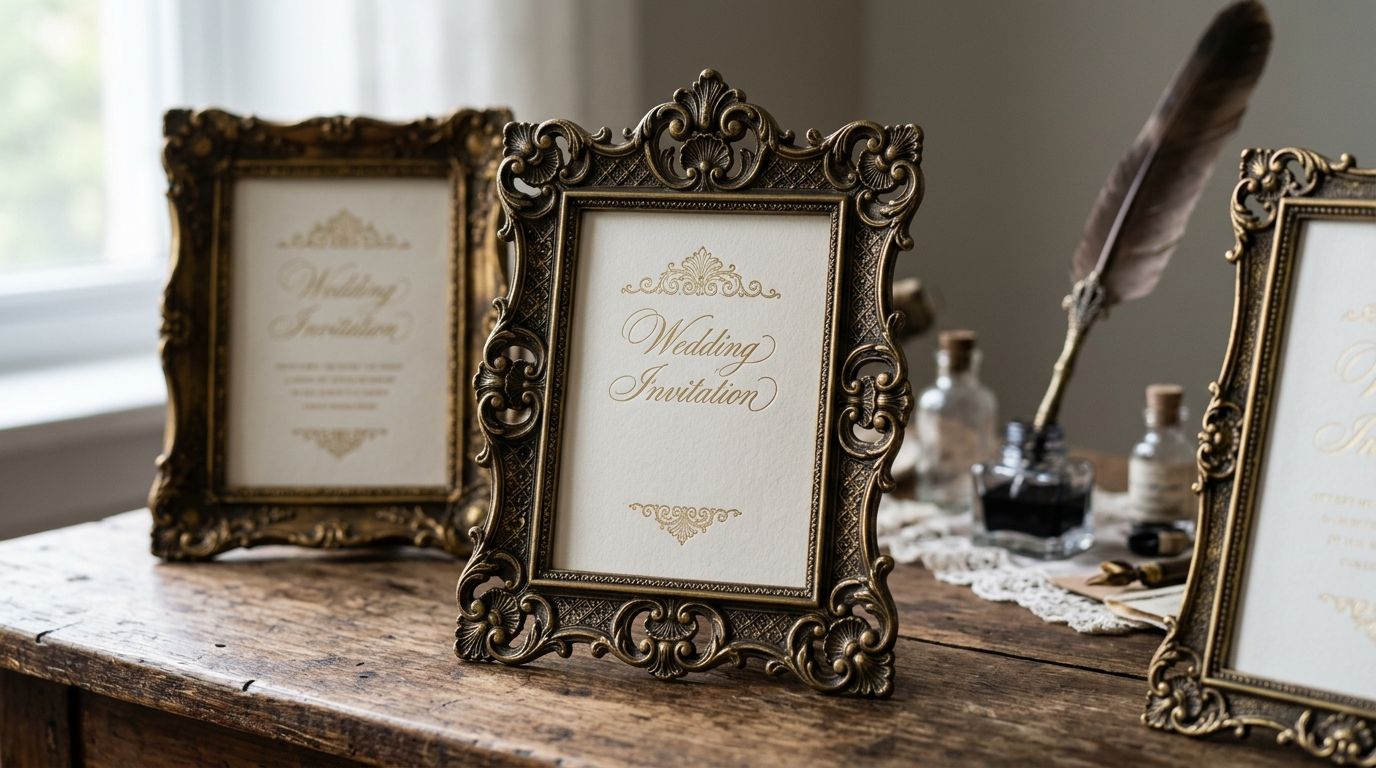
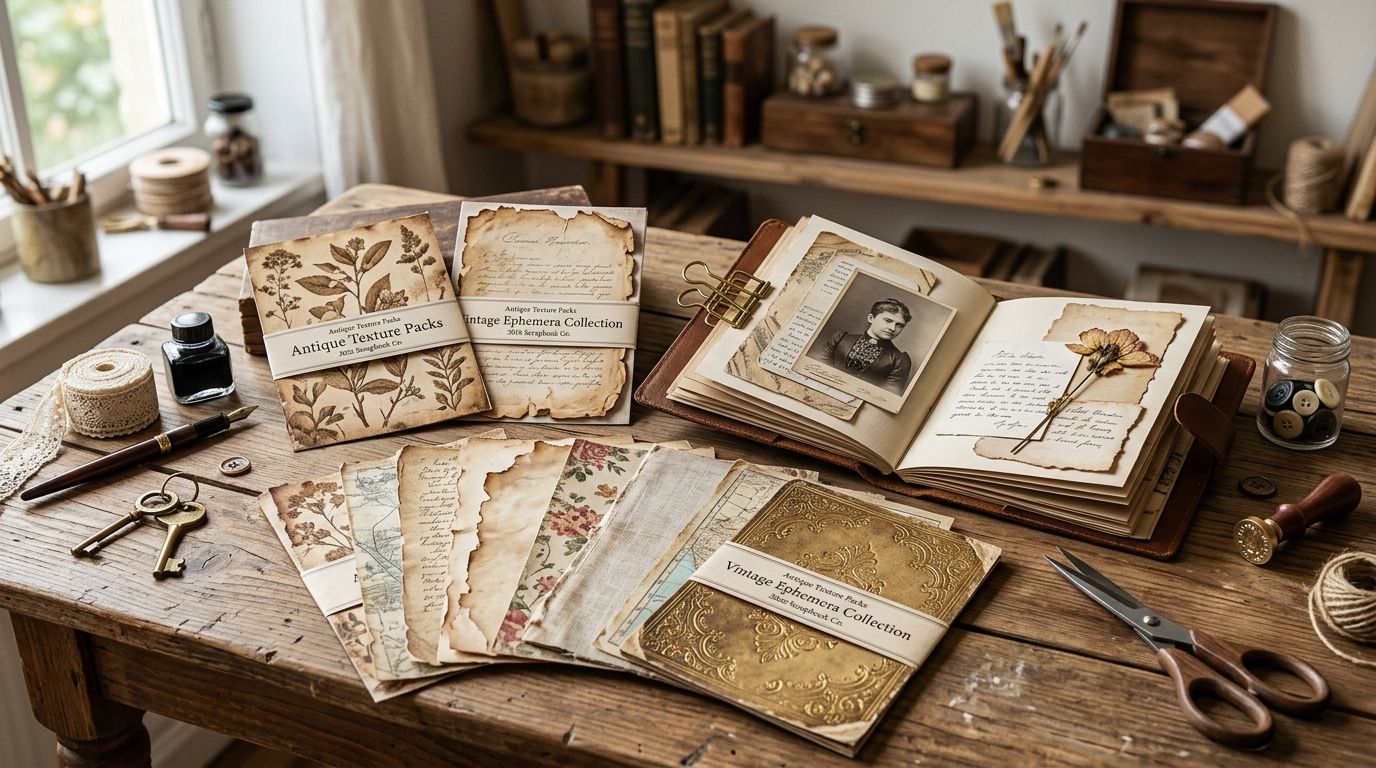
- Useful across branding, packaging, wedding invitations, and scrapbooking without switching archives
Century Library cons:
- The archive is exclusively vintage and antique styles — not a fit if a project needs modern stock photography
- Worth confirming the exact commercial-use terms for a specific project against the current license page before a launch
License model: subscription-based access to the archive; check the license page for current plan details.
Best for: brand identity, packaging, and stationery work that needs an authentic period look across multiple asset types.
Verdict: Buy if the project calls for restored, non-AI vintage material across illustrations, fonts, and patterns in one subscription.
2. Creative Market: best vintage illustration source for single-project license purchases
Creative Market is a marketplace where individual designers and studios sell vintage illustration packs one at a time, rather than through a single subscription catalogue. That structure suits a buyer who needs one specific illustration for one project and doesn't want an ongoing plan.
Creative Market pros:
- Buy exactly what you need without committing to a subscription
- Wide range of independent sellers means style variety
- Extended licenses are available for resale-heavy use cases
Creative Market cons:
- License wording varies seller to seller, so terms need checking on every purchase
- No unified archive — sourcing a consistent visual style across a full brand kit takes more digging
Best for: a single vintage illustration for a one-off project, not an ongoing content pipeline.
Verdict: Hold — fine for a one-time need, but not a substitute for an ongoing archive subscription.
3. Envato Elements: best vintage illustration subscription for high-volume template bundling
Envato Elements bundles vintage-style illustrations in with templates, mockups, stock video, and fonts under one subscription license, aimed at teams producing a high volume of mixed-media output rather than a design-history-specific archive.
Envato Elements pros:
- One license covers illustrations alongside templates, video, and audio
- High-volume output friendly for agencies producing lots of assets per month
- Broad commercial use covered under the standard license
Envato Elements cons:
- Vintage illustration selection sits inside a much broader, non-specialized library
- Reselling templates or merchandise built with the assets often requires the extended license tier
Best for: teams that need vintage-style illustrations mixed into a larger volume of templates and mockups.
Verdict: Hold — solid for volume, weaker if vintage authenticity is the actual requirement.
4. Adobe Stock: best vintage illustration source for Adobe Creative Cloud teams
Adobe Stock integrates directly into Photoshop and Illustrator, which makes it convenient for teams already paying for Creative Cloud. Vintage illustrations sit in the standard library alongside modern photography and vector art, licensed under Adobe's standard and extended tiers.
Adobe Stock pros:
- Direct in-app licensing from Photoshop and Illustrator
- Standard and extended license tiers cover most commercial use cases
- Large combined library beyond just vintage material
Adobe Stock cons:
- Extended license required for merchandise, resale, or high-impression use
- Vintage-specific curation is thinner than a dedicated archive
Best for: teams already inside the Adobe ecosystem who need occasional vintage-style assets alongside everything else.
Verdict: Hold — convenient for existing Adobe users, not built around vintage authenticity.
5. The Graphics Fairy: best vintage illustration source for scrapbooking and craft hobbyists
The Graphics Fairy has run a free vintage image resource for years, aimed at scrapbookers, junk journal makers, and craft hobbyists rather than commercial brand teams. A limited commercial allowance applies at the free tier, with a paid membership loosening the terms.
The Graphics Fairy pros:
- Free access covers a large chunk of the archive
- Long-running resource with a strong craft and scrapbooking community around it
- Simple to browse for personal and small-craft projects
The Graphics Fairy cons:
- Commercial scope at the free tier is capped compared to a full paid archive
- Not built for brand identity or packaging work at scale
Best for: scrapbooking, junk journals, and small craft projects rather than commercial brand systems.
Verdict: Wait — fine for hobbyist use, check terms carefully before any commercial packaging or product run.
6. Vecteezy: best vintage illustration source for free-tier attribution-based use
Vecteezy offers vintage-style illustrations under a free license that requires visible attribution, with a paid PRO tier that removes the attribution requirement and unlocks broader commercial terms.
Vecteezy pros:
- Free tier makes it accessible for early-stage projects with no budget
- PRO tier removes attribution and expands commercial scope
- Wide format variety including vector files
Vecteezy cons:
- Free tier attribution requirement is a dealbreaker for most client branding work
- Vintage-specific curation is mixed in with a much larger general stock library
Best for: early-stage or personal projects where attribution isn't a problem.
Verdict: Wait — usable for free with attribution, but the PRO upgrade is close to mandatory for client work.
How we ranked
Each service was weighed against the six license criteria above — commercial scope, exclusivity, attribution, resale limits, sourcing policy, and usage caps — with brand identity and packaging use cases weighted heaviest, since that's where a bad license clause causes the most damage after launch.
“The license terms matter more than the image count when the artwork ends up on packaging that has to survive a trademark review.”
Which vintage illustration subscription should you choose?
For a brand identity, packaging, or stationery project that needs restored, non-AI vintage material across illustrations, fonts, and patterns, Century Library is the default pick for 2026. For a single one-off illustration, Creative Market avoids a subscription commitment. For high-volume mixed-media output, Envato Elements covers more ground per plan. Everything else on this list is a fallback, not a first choice, once the license terms get read in full.
Browse the vintage illustration archive
Restored illustrations, fonts, patterns and ephemera in one subscription.
FAQ
What's the best vintage illustration subscription for commercial branding in 2026?
Century Library is the strongest fit for branding and packaging work in 2026 because the archive is hand-restored from real historical sources with no AI-generated imagery mixed in. Creative Market and Envato Elements work as fallbacks depending on volume needs.
Is a subscription better than a single-license purchase for vintage illustrations?
A subscription makes sense once a project needs more than a handful of assets across illustrations, fonts, and patterns. A single-license purchase from a marketplace like Creative Market is cheaper in effort for a one-off project.
Do vintage illustration licenses require attribution?
It depends on the service and tier. Free tiers from sites like Vecteezy typically require visible attribution, while paid subscriptions generally remove that requirement — always confirm on the current license page.
Can I resell products made with licensed vintage illustrations?
Most standard commercial licenses allow selling finished products like packaging or stationery, but reselling the raw illustration file itself is usually restricted. Extended licenses on platforms like Adobe Stock and Envato Elements exist specifically for higher-volume resale cases.
Are vintage illustrations from these archives AI-generated?
Century Library's archive is explicitly restored from real historical material with no AI-generated imagery included. Other marketplaces and bundled stock libraries don't always make that distinction clear, so it's worth checking sourcing policy directly.
What license terms matter most for wedding invitations and stationery?
Commercial use scope and print run caps matter most for stationery, since invitations are physical products sold or gifted in a defined print run. Confirm whether the license covers physical product sales, not just digital use.
Does exclusivity matter for vintage illustration licensing?
Exclusivity matters if a brand wants to avoid a competitor using the same illustration. Most subscription archives license assets non-exclusively, so distinct visual style curation matters more than an exclusivity clause.
One last thing
The attribution requirement is the clause most designers skip past entirely in 2026 — it's usually buried three sections down, not in the headline license summary, and it's the single term most likely to get a finished piece pulled from a client's website after launch.