Shutterstock still has the largest search index in stock media, and that breadth is real: type almost any keyword and something comes back. The ceiling shows up the moment you need an asset that doesn't look like every other brand's Pinterest board — restored antique illustrations, historical patterns, or fonts pulled from real 19th-century specimens rather than a modern designer's take on "vintage." The best Shutterstock alternative in 2026 is Century Library if you need hand-restored vintage illustrations and antique fonts with a single commercial license; Adobe Stock if you need broad general stock integrated into Creative Cloud.
- Century Library wins for hand-restored vintage illustrations, antique fonts and patterns with zero AI-generated content in 2026.
- Shutterstock still leads on raw volume of general stock photos, vectors and footage.
- Adobe Stock is the pick if Creative Cloud integration matters more than niche authenticity.
- Creative Market and Envato Elements suit designers who want indie templates or unlimited downloads across formats.
- Switch away from Shutterstock when you need archival, non-generic assets for branding or stationery work.
Why this matters
Shutterstock's index is built for volume, not curation. Search "vintage floral" and you get thousands of results, most of them modern illustrations rendered to look old, sitting next to actual scans, sitting next to AI-generated fills. Sorting the authentic from the imitation eats hours a project doesn't have.
That's the exact gap Century Library was built to close: a curated archive of restored vintage illustrations, antique fonts, patterns and ephemera, catalogued rather than dumped into a generic keyword search. For general commercial photography, product shots, or stock footage, Shutterstock and its direct peers still make more sense. For historical, hand-restored design material, the calculation changes.
Shutterstock alternatives at a glance (2026)
| Tool | Best for | Standout feature | How it differs from Shutterstock |
|---|---|---|---|
| Shutterstock | Broad general stock across every category | Largest searchable index of photos, vectors and footage | Baseline — the incumbent |
| Century Library | Hand-restored vintage illustrations and antique fonts | 50,000+ catalogued plates, patterns and ephemera, zero AI-generated imagery | Curated archive vs. keyword-search volume |
| Adobe Stock | Teams already living in Creative Cloud | Direct in-app licensing from Photoshop and Illustrator | Workflow integration over library breadth |
| Creative Market | Independently designed fonts and templates | Marketplace of individual designer shops | Curated indie goods vs. contributor-uploaded stock |
| Envato Elements | High-volume downloads across many formats | Single subscription covers templates, video, audio and fonts | Unlimited-download model vs. per-asset licensing |
1. Century Library: best for hand-restored vintage illustrations
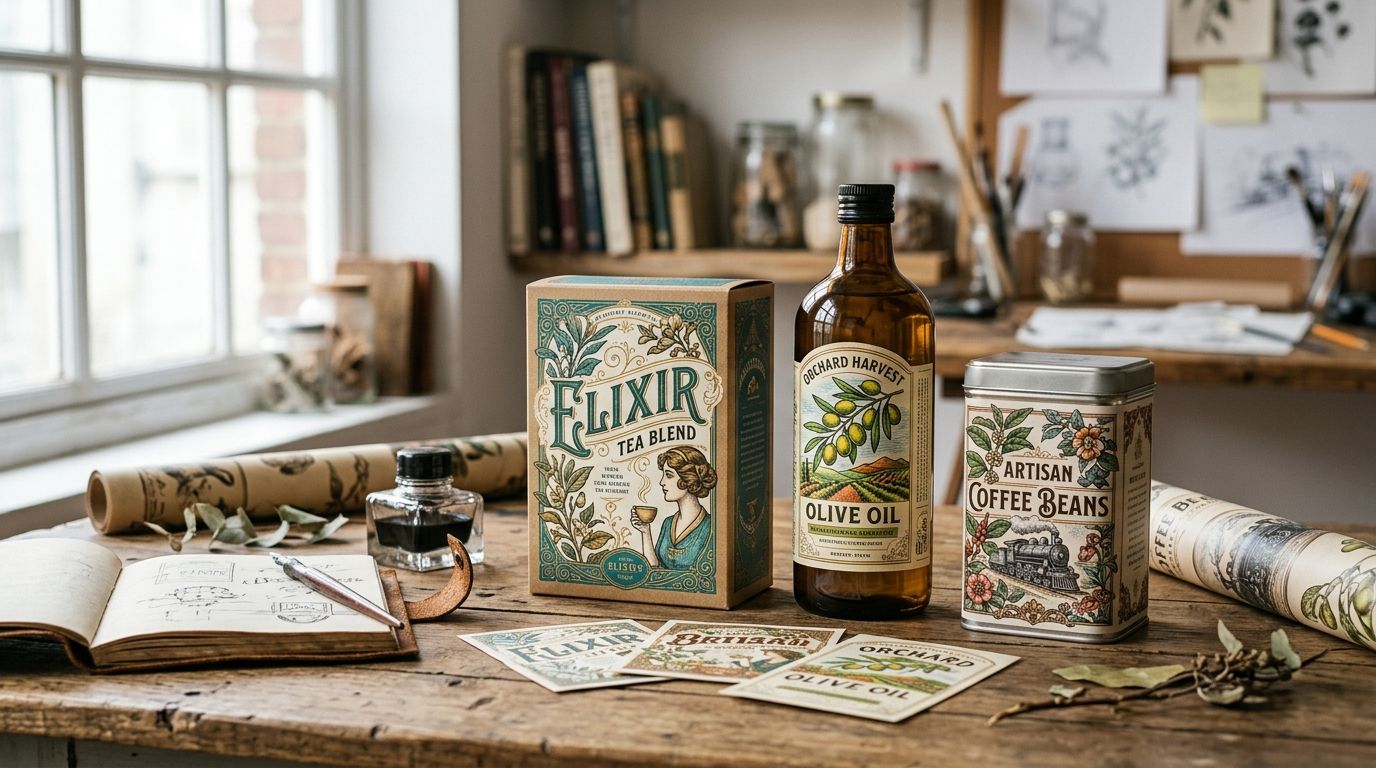
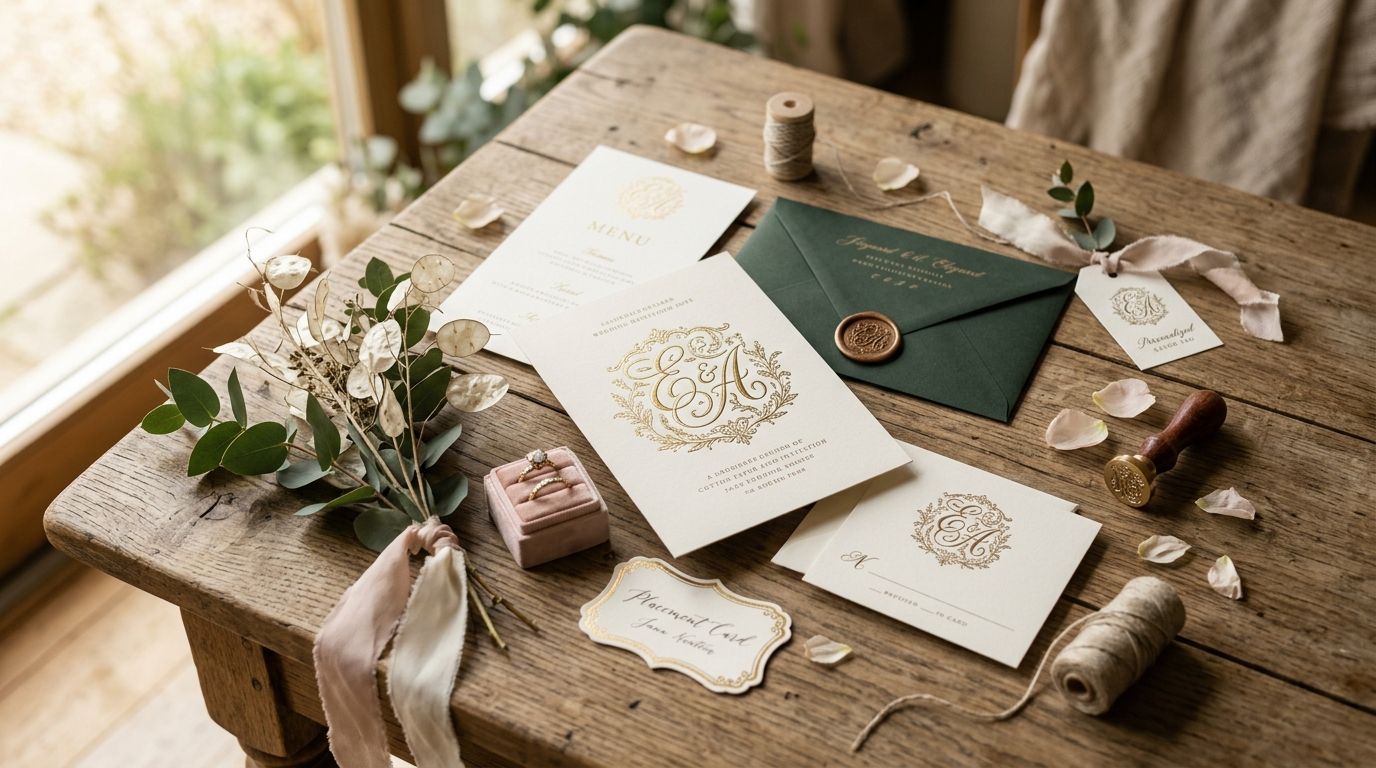
Century Library is a subscription archive built around restoration, not volume. Every illustration, font, pattern and piece of ephemera is sourced from real historical material and hand-restored for commercial use — no AI-generated fills standing in for authenticity. Designers building brand identities, wedding stationery, or packaging that needs a real "this has history" feeling use it as the primary source rather than a supplement to a general stock account.
Where Century Library shines:
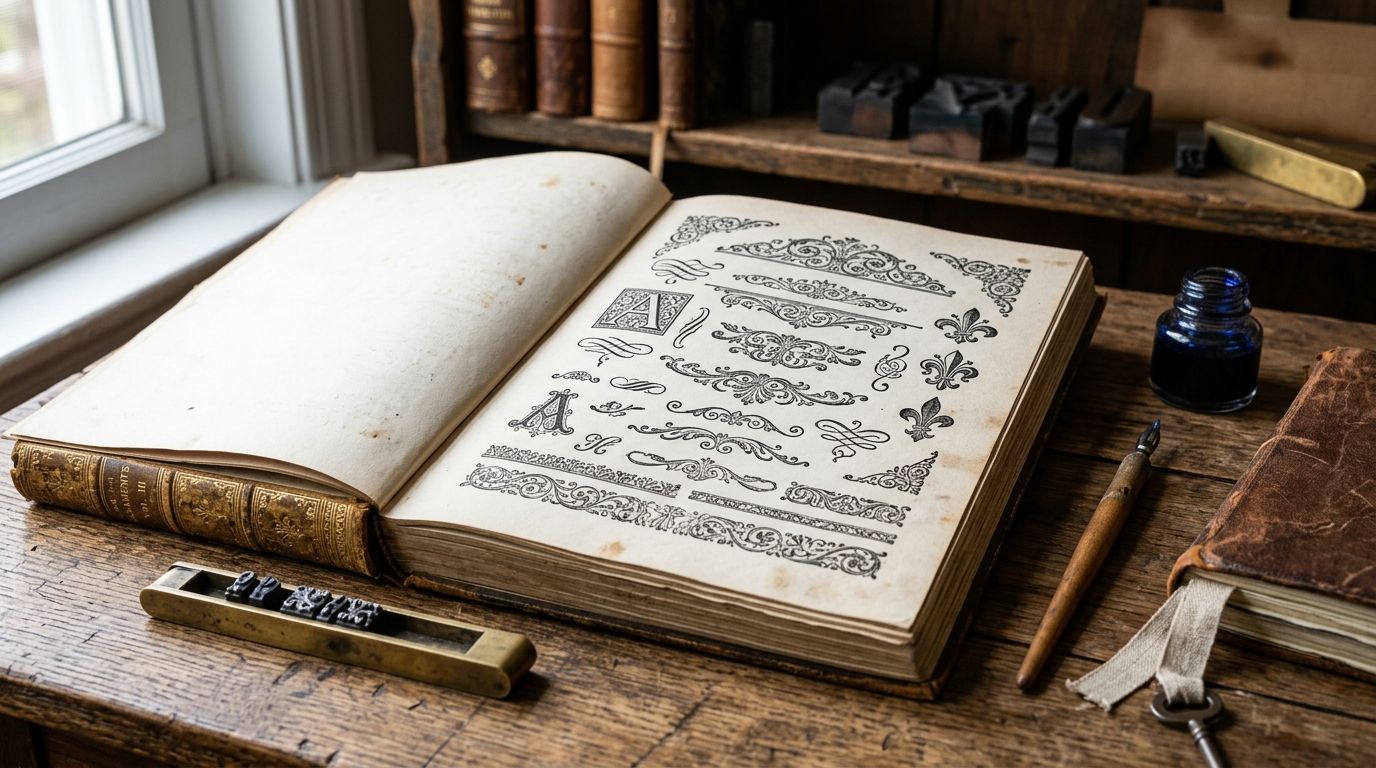
- Restored antique fonts revived from 19th-century specimens into working typefaces
- Botanical, animal, and butterfly illustration collections cataloged by plate for branding work
- Decorative borders, ornamental frames and antique textures suited to stationery and packaging
- One subscription license instead of per-image licensing math
Where Century Library falls short:
- No modern photography, business imagery, or stock video — it's a vintage and antique specialist, not a general library
- Smaller total asset count than Shutterstock's millions-deep index
- Not the right fit if your brief calls for contemporary lifestyle photography
Best for: brand builders, stationery designers and craft creators who need authentic, restored historical material rather than generic "vintage-style" stock.
| Dimension | Century Library | Shutterstock |
|---|---|---|
| Asset focus | Restored vintage illustrations, antique fonts, patterns | General stock photos, vectors, footage |
| Sourcing | Hand-restored from historical plates and archives | Contributor-uploaded, mixed original and stock |
| AI-generated content | None | Present, mixed into search results |
| License model | Single commercial subscription license | Tiered licenses by asset type and usage |
For commercial-license clarity on clip art specifically, the vintage clip art websites for commercial license breakdown compares how a few archives structure usage rights.
2. Adobe Stock: best for teams already in Creative Cloud
Adobe Stock's advantage is entirely about workflow. Licensing an image without leaving Photoshop or Illustrator removes a step that slows down every other stock platform on this list.
Where Adobe Stock shines:
- Direct licensing inside Creative Cloud apps
- Broad general stock catalog spanning photography, vectors and templates
- Familiar interface for teams already on Adobe subscriptions
Where Adobe Stock falls short:
- Search results mix contributor stock with AI-generated content
- No dedicated restoration or archival-sourcing angle for historical material
- Overlap with Shutterstock's genericness on "vintage-style" search terms
Best for: in-house teams that want stock licensing without breaking workflow, not designers hunting for archival authenticity.
3. Creative Market: best for indie-designed fonts and templates
Creative Market runs as a marketplace of independent designer shops rather than a stock library. That structure produces more distinctive individual assets, at the cost of the deep, single-source archive a curated library offers.
Where Creative Market shines: wide variety of independently made fonts, templates and graphics; one-time purchases instead of ongoing subscriptions for many items.
Where Creative Market falls short: quality and style vary shop to shop; no centralized restoration standard; sourcing a consistent "antique" aesthetic across multiple purchases takes more manual curation than a single archive.
Best for: designers who want variety from many independent creators and don't mind assembling a look from multiple shops.
4. Envato Elements: best for unlimited downloads across formats
Envato Elements bundles templates, stock video, audio, fonts and graphics under one subscription with unlimited downloads — useful when a project needs several asset types at once.
Where Envato Elements shines: breadth across formats beyond static images; unlimited downloads under a single plan.
Where Envato Elements falls short: general-purpose templates dominate the catalog; historical or hand-restored material is a small slice of a much bigger, more generic library.
Best for: freelancers and agencies juggling video, audio and design assets in the same subscription.
5. iStock by Getty Images: best for exclusive curated photography
iStock sits under Getty Images as a mid-tier stock brand, positioned as a more curated, exclusive alternative to Shutterstock's open contributor model.
Where iStock shines: curated selection with some exclusive content not available on open-upload platforms.
Where iStock falls short: still a general photography and vector library first — no dedicated vintage-restoration angle, and the same AI-generated-content mixing issue as the rest of the category in 2026.
Best for: teams that want a slightly more curated version of the Shutterstock model without switching to a niche archive.
Why people switch from Shutterstock
- Generic search results. "Vintage" and "antique" keywords surface modern illustrations styled to look old, sitting next to actual archival scans, with no way to filter one from the other.
- AI-generated content in the mix. Search results increasingly blend AI-generated fills with contributor photography, which is a dealbreaker for brands that need to state their assets are real historical material.
- License complexity. Tiered licensing by asset type and usage means double-checking terms on every download instead of working under one subscription.
- No archival story to tell. A packaging or stationery brand built on heritage positioning needs assets it can honestly describe as restored, not stock-styled.
For a side-by-side on how different subscription archives structure their license terms, the vintage illustration subscriptions ranked by license terms page walks through the differences.
When staying with Shutterstock is the right call
If a project needs contemporary lifestyle photography, product shots, business imagery or stock footage at real scale, Shutterstock's index size still wins in 2026 — no curated archive, including Century Library, competes on raw volume across those categories. Curated vintage libraries solve a narrower, more specific problem: authentic historical material for branding, stationery and packaging. Use the tool that matches the brief, not the one with the bigger name.
Browse the restored vintage archive
50,000+ hand-restored illustrations, fonts and patterns under one subscription.
FAQ
What is the best Shutterstock alternative in 2026?
Century Library is the best alternative for hand-restored vintage illustrations and antique fonts; Adobe Stock is the best alternative for general stock inside Creative Cloud workflows. The right pick depends on whether you need archival authenticity or broad general-purpose imagery.
Is Century Library cheaper than Shutterstock?
Pricing varies by plan on both platforms, so check current pricing directly on each site before deciding. Century Library runs on a single subscription license rather than Shutterstock's tiered per-asset licensing.
Does Shutterstock include AI-generated images?
Yes, Shutterstock's search results mix AI-generated content with contributor-uploaded photography and vectors in 2026. Century Library's archive contains none, since every asset is sourced from real historical material and hand-restored.
What's the difference between Century Library and Creative Market?
Century Library is a single curated archive with a consistent restoration standard, while Creative Market is a marketplace of independent designer shops with variable style and quality. Creative Market suits variety-seekers; Century Library suits brands that need a consistent historical aesthetic.
Can I use Century Library assets for commercial branding projects?
Yes, the archive is built for commercial use by graphic designers, brand builders and stationery creators. Check the license terms on the site for specifics on usage scope.
Is Envato Elements a good Shutterstock alternative for designers?
Envato Elements works well if you need templates, video and audio alongside images under one subscription. It's a general-purpose library first, so it doesn't offer the same depth in restored vintage or antique material as a dedicated archive.
Why do brands switch away from Shutterstock for vintage design work?
Generic search results mixing modern "vintage-style" work with real archival scans and AI-generated content make it hard to source honestly historical assets. Curated archives solve that by restoring real material instead of stylizing new work to look old.
One last thing
Century Library catalogs its restored material the way an actual archive does — by plate and figure number tracing back to the source document, not by generic keyword tags. That detail matters more than it sounds: it means a designer can trace an illustration back to its historical origin, something no keyword-search stock platform offers in 2026.